The Art of Mindful Breathing

Breath is the bridge between body and mind. Long before modern science mapped the nervous system, yogic sages understood that the rhythm of our inhale and exhale could calm a racing heart or awaken a dull mind. In this article, we explore three foundational pranayama practices you can weave into everyday life — no mat, no incense, no prior experience required.
Most of us breathe shallowly, from the chest, without ever noticing. Mindful breathing simply means bringing attention back to this involuntary act — turning it, for a few minutes, into something deliberate and full.
Nadi Shodhana Alternate Nostril Breathing
This practice is often used to balance the left and right hemispheres of the brain. Sit comfortably, close your right nostril with your thumb, inhale through the left, then switch and exhale through the right. Continue alternating for five minutes and notice how the mind settles.
Bhramari The Humming Bee Breath
Named for the gentle hum it produces, Bhramari is remarkably effective for easing anxiety before sleep. Inhale deeply, then exhale while humming steadily, letting the vibration settle in your skull and chest.
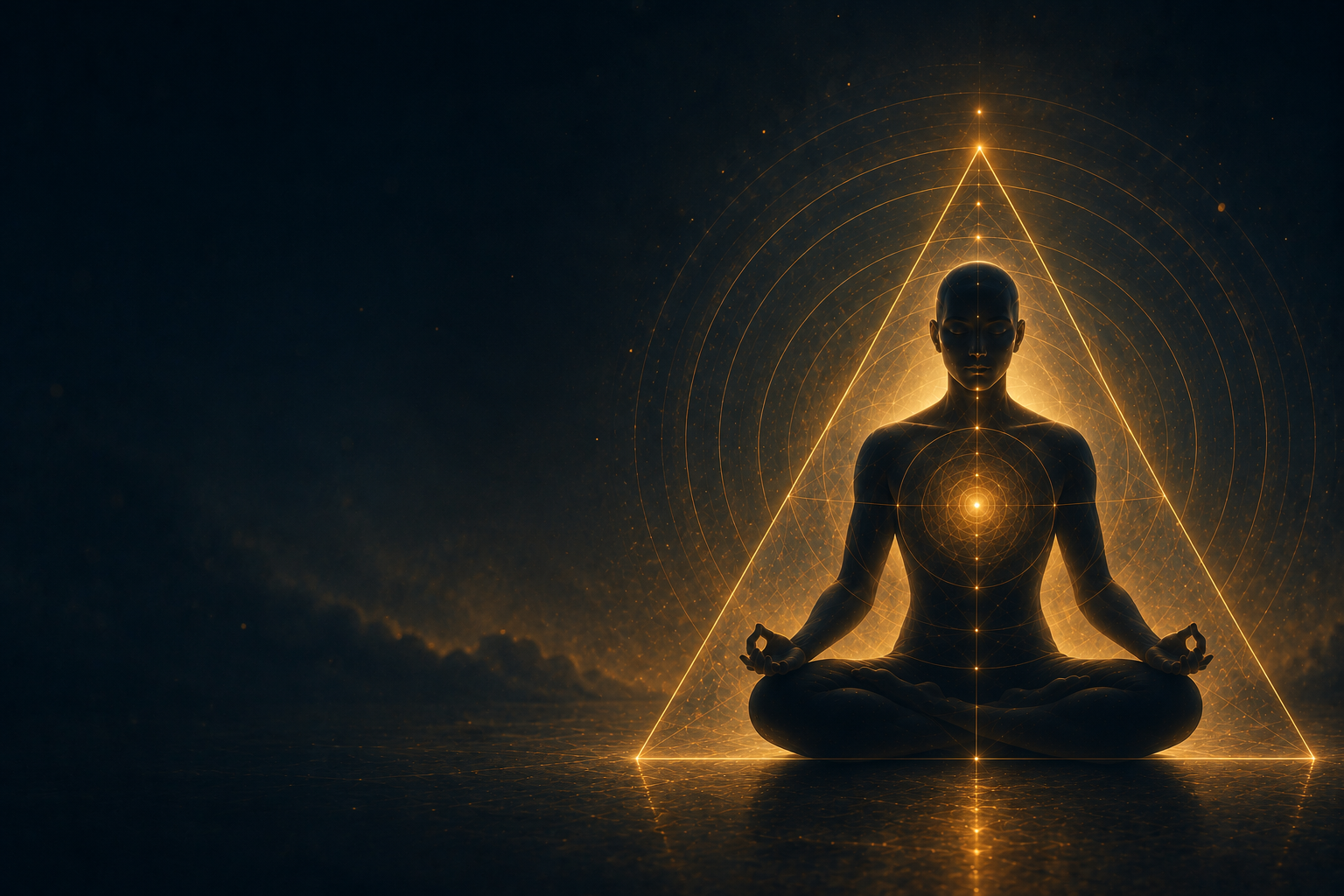
Practicing Bhramari at sunrise deepens its calming effect
Dirga The Three-Part Breath
A foundational technique for beginners, Dirga fills the lungs in three stages:
- Fill the lower belly, letting it expand outward
- Continue the inhale into the ribcage, widening the sides
- Finish by lifting gently into the upper chest and collarbones
Practiced for even five minutes a day, these three techniques can shift how your body responds to stress — not by fighting it, but by giving your nervous system permission to slow down.